
Can luck really influence your outcomes in gambling?
-
1 Settembre 2026
- Postato da: Thomas Serra
Nessun commento
The Concept of Luck in Gambling
Luck is often seen as a fundamental factor in gambling, acting as an unpredictable element that can sway the outcomes of various games. For many players, the thrill of gambling is tied to the belief that fortune could favor them at any moment. This notion of luck is deeply embedded in human psychology, offering a sense of hope, excitement, and possibility. Consequently, many gamblers engage with their favorite games, convinced that a single roll of the dice or a spin of the wheel could change their fortunes dramatically, especially when exploring a casino online experience that amplifies these chances.
However, the concept of luck can vary in interpretation within the gambling context. Some may perceive luck as an external force that affects outcomes, while others view it as a blend of skill and chance. For instance, in games like poker, where players can employ strategies and make calculated decisions, luck still plays a significant role but is more nuanced. Understanding the dynamics of luck in both purely random games and those incorporating skill can enhance players’ overall experiences and expectations.
Ultimately, while luck may appear to dictate outcomes, it is crucial to recognize that gambling encompasses both chance and strategy. As players navigate different games, they must balance their reliance on luck with the pursuit of skill development. This multifaceted approach is what makes gambling captivating and complex, attracting countless individuals worldwide who are eager to try their luck.
The Role of Probability and Odds
While luck may influence outcomes, the principles of probability and odds are paramount in determining the actual results in gambling. Every game is governed by mathematical rules that dictate the likelihood of winning or losing, often overshadowing the element of luck. For example, in classic games like blackjack or roulette, the house edge is calculated based on probability, illustrating that luck alone cannot ensure consistent wins over time. Players must familiarize themselves with these odds to make informed decisions during gameplay.
Moreover, a solid understanding of probabilities can assist gamblers in setting realistic expectations. While it can be exhilarating to experience significant wins, the statistical nature of gambling suggests that losses are much more prevalent. For instance, certain slot machines may feature a higher return to player (RTP) percentage, while others might not be as favorable. By making informed choices about which games to play, gamblers can enhance their chances of achieving favorable outcomes, despite the ever-present role of luck.
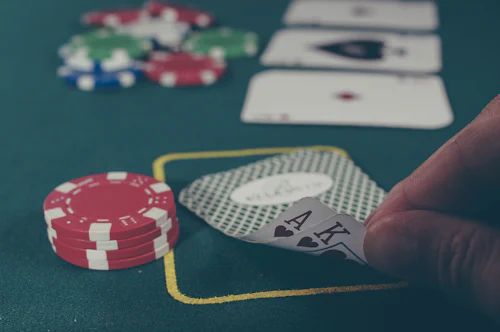
In conclusion, while luck is a captivating aspect of gambling, it is essential to acknowledge the underlying probability and odds that govern the games. By merging a comprehension of mathematical principles with the excitement of luck, players can elevate their gaming experience and potentially increase their chances of success. Ultimately, a comprehensive approach that considers both elements can lead to a more fulfilling experience in the world of gambling.
The Psychological Impact of Luck
The psychological influence of luck extends well beyond mere superstition; it significantly shapes players’ experiences and decision-making processes. Many gamblers develop beliefs and rituals surrounding luck, such as carrying lucky charms or adhering to specific routines before placing bets. These practices can create a sense of control and heighten the thrill of the game. Understanding how these beliefs are formed and maintained can provide valuable insights into the psychology of gambling behavior.
Additionally, players often fall prey to cognitive biases that reinforce their belief in luck. The “gambler’s fallacy” is a prevalent example, where individuals believe that past outcomes can influence future results. For instance, if a player observes a particular number on a roulette wheel hitting multiple times, they may feel compelled to bet against it, thinking it is “due” for a loss. Such misconceptions can lead to irrational decisions and financial setbacks, highlighting the importance of awareness of one’s psychological state while gambling.
Ultimately, the interplay between luck and psychology is undeniable. As players navigate their gambling experiences, understanding how their beliefs and emotions shape their perception of luck can be instrumental in fostering a healthier and more enjoyable approach. By recognizing the psychological components of gambling, individuals can make more rational choices, thereby enhancing their overall experience and mitigating potential losses.
Luck vs. Skill in Different Games
In the gambling realm, distinguishing between luck and skill is crucial, as this difference greatly impacts players’ strategies and outcomes. Games such as poker and blackjack are often classified as skill-based, where players’ decisions and strategies can influence their success. In these situations, luck still plays a part; however, skilled players can leverage their knowledge and experience to mitigate the role of chance, leading to more consistent wins.

Conversely, games like slot machines or roulette are primarily luck-driven, as players have no control over the outcomes. In these instances, winning is purely a matter of chance. While players might enjoy the thrill of these games, they must recognize that they cannot influence the results, which can lead to confusion and misplaced expectations. Understanding the required skill level for different games can help players make better choices about which games to engage in.
Ultimately, grasping the interplay between luck and skill across various gambling scenarios empowers individuals to navigate their gaming experiences more effectively. By approaching each game with a clear understanding of the roles of luck and skill, players can tailor their strategies accordingly, enhancing their enjoyment and potentially improving their outcomes in the long run.
Conclusion and Reflection on Gambling and Luck
In the world of gambling, the relationship between luck and outcomes is intricate and multifaceted. While luck undeniably influences the results of many games, it should not be viewed in isolation. Understanding the principles of probability, the psychological factors involved, and the distinction between luck and skill can significantly enhance the overall gambling experience. By acknowledging that luck is merely one aspect of a broader spectrum, players can cultivate a more informed approach to their gaming activities.
As individuals reflect on their gambling experiences, they can incorporate this understanding to develop a healthier perspective. Rather than solely relying on luck, players can focus on honing their skills, making informed decisions, and maintaining a balanced mindset. This holistic approach not only fosters a more enjoyable experience but can also lead to more favorable outcomes over time.
Ultimately, as players engage with various games, whether for entertainment or financial gain, embracing the complexities of luck will enrich their overall experience. By weaving together knowledge, skill, and an awareness of luck’s role, individuals can navigate the thrilling world of gambling more effectively and responsibly, maximizing their enjoyment and engagement with every encounter.